



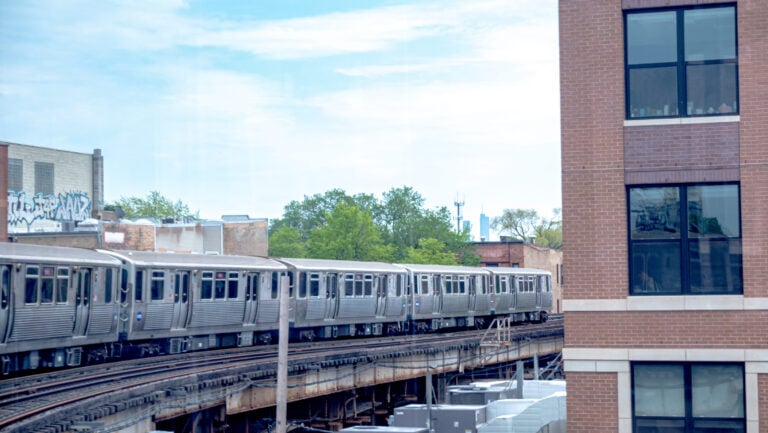
Every day, more than 1.5 million trips are taken on the CTA’s bus routes and color-coded rail network. For most people, nothing out of the ordinary happens during their ride. Nevertheless, when accidents happen, such as the yellow line crash near the Howard station, victims are shocked to learn that filing a claim against the CTA is not as easy as filing a claim for a car accident. To help you understand more, the CTA accident lawyer team at Lerner and Rowe’s Chicago office has prepared this handy guide for you.
The CTA Is a Government Entity—And That Changes Everything
The Chicago Transit Authority is a government entity. This is a significant distinction. When you file a Chicago public transit injury claim, you have to follow a vastly different set of rules.
Here are the differences that matter the most:
Notice of Claim Requirement
Before you can start a lawsuit against the CTA, there is a requirement that you have to file a Notice of Claim within one year from the time of injury. If you fail to do so, your opportunity for recovering damages from a lawsuit is zero. Not only is it important to comply with this requirement, but it is also important to note that the form and office to receive your notice should be correct.
Shortened Statute of Limitations
Although the standard time frame for personal injury cases is two years from the time of injury, there is a shorter time frame for cases against the CTA and other government agencies. A veteran lawyer who handles CTA accidents will be able to guide you on the time frames for your personal injury claim.
Sovereign Immunity Protections
Another significant difference in bringing a case against the CTA versus a person is that more protection is given to a government agency. The CTA can use the following defenses: that the people working on the rail system were performing a discretionary function when the injury occurred, that the injury did not give rise to a cause of action, or that you did not comply with procedural requirements. These defenses need to be addressed at the outset of your case.
Common Types of CTA and Metra Accidents in Chicago
Were you injured on the L or a Metra train? Whether your injury occurred at Ogilvie, Cumberland, or on a Pace bus, we can assist you. The Metra train crash attorney team at Lerner and Rowe has a proven track record in handling cases involving:
- L door injury cases—where a person is injured when their body becomes trapped in a closing train door, especially in a heavily populated area such as Clark/Lake or O’Hare
- Sudden stops and braking—surprise stops that throw a passenger into their seat or another object or passenger on the train
- Slip and fall accidents on the platform or in the station—wet platforms, broken escalators, and poorly maintained flooring in the CTA or Metra stations
- CTA bus accidents—bus collisions, sudden stops, and bus driver negligence causing injury to a passenger or a pedestrian
- Accessibility accidents—accidents caused by faulty ADA equipment such as a wheelchair lift or gap plates
Each of these scenarios presents a set of problems for the injured party. Surveillance video is automatically overwritten after a set period of time, and the CTA begins building their defense team the moment a complaint is filed, so your attorney must be quick to react.
Step-by-Step: How to Handle a Chicago Public Transit Injury Claim
Step 1: Seek Medical Help Immediately
Your health is the first priority, and your medical records are the basis for your claim. Even if you believe you didn’t suffer serious injuries, it’s common for adrenaline to cause a delay in realizing the severity of your injuries, such as whiplash, concussion, and soft tissue damage. Obtain medical attention immediately, if possible. Document all your symptoms.
Step 2: Report the Injury to CTA Staff
Before you leave the scene, make a report of your incident to a CTA employee, such as the CTA operator or agent. Ask for names and the incident report number. Do not make a formal statement to the CTA employee beyond a brief explanation of the incident.
Step 3: Gather Evidence from the Scene
If you are able to do so, take photos of:
- The precise location of the accident
- Any hazards that were apparent (wet floors, faulty doors, damaged flooring)
- Your apparent injuries
- Signage, lighting conditions, and camera positions
Gather contact information from any potential witnesses. This will become increasingly difficult to retrieve as time goes on.
Step 4: Preserve All Documentation
Keep a record of all doctor visits, medication, missed work, and out-of-pocket costs associated with your injury. All correspondence from the CTA and/or their insurance agents should be saved, and you should not sign anything they send you until you have consulted with an attorney.
Step 5: Contact a CTA Accident Lawyer Before the Notice Deadline
This is where most CTA passengers make their biggest mistake in a personal injury case. They wait. They assume they have just as much time as they would in a normal accident case. But they don’t. By contacting a CTA accident lawyer as soon as possible, you will be ensuring that your Notice of Claim is filed correctly, evidence preservation letters are sent to the CTA, and your rights are protected as soon as possible.
Frequently Asked Questions for a CTA Accident Lawyer
Can I sue the CTA for my injury?
Yes. Government immunity is not absolute. If your injury was caused by the negligence of a CTA employee, a failure to provide a safe environment, or a defect in a CTA vehicle or station, you have a right to sue. The important thing is to meet the requirements for bringing a lawsuit against the government.
What if I was somehow responsible for the accident too?
Illinois is a modified comparative fault state. If you were somehow responsible for the accident but no more than 51% responsible, you can still recover your damages.
How much is my Chicago public transit injury claim worth?
Each public transit injury case is unique. Damages for a public transit injury claim can be for medical expenses, lost wages and earning capacity, pain and suffering, and other damages. The severity of your injuries, the strength of your evidence, and your procedural compliance in your claim all impact your overall value significantly.
A CTA Accident Lawyer Team That’s Here for You
If you or a loved one has been hurt on the L, a CTA bus, or a Metra train, contact Lerner and Rowe’s Chicago injury lawyers today for a complimentary and obligation-free consultation. We will discuss your case, explain your rights as they relate to Illinois law, and inform you of exactly what needs to happen and when.
Not only do you not have to pay any fees upfront, but you can also rest easy knowing we’ll fight just as hard for you as we have for our clients nationwide—our results speak for themselves. Get in touch with our team today by giving us a call, filling out our convenient online form, or using our LiveChat service.
The information on this blog is for general information purposes only. Nothing herein should be taken as legal advice for any individual case or situation. This information is not intended to create, and receipt or viewing does not constitute, an attorney-client relationship.