



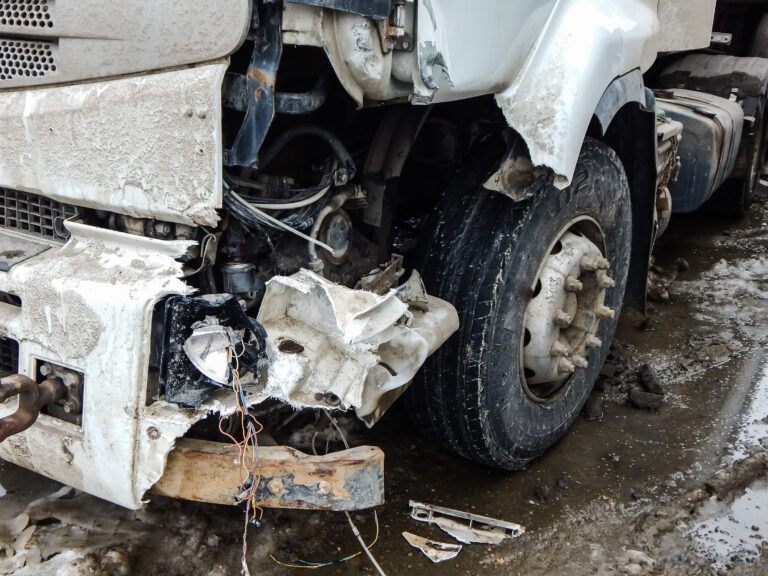
If you were hit by a commercial truck on I-80 near Joliet and something about the crash felt off, you may be right to wonder if the driver was falling asleep. We know how disorienting it is to be recovering from an injury while also trying to figure out what actually happened on the road that night. Fatigue-related crashes are some of the most dangerous collisions on Illinois highways, and the stretch of I-80 running through Will County is a known hot spot. It’s a heavily trafficked overnight freight corridor, connecting distribution hubs across the Chicago area to the rest of the country, which means a steady stream of commercial trucks moving through the middle of the night and into the early morning hours. That’s exactly when drowsy driving crashes are most likely to happen. This post from the Joliet truck accident lawyers at Lerner and Rowe walks through how an I-80 truck driver fatigue accident near Joliet, IL gets investigated and proven, what role FMCSA hours of service violations on I-80 in Will County play, and what to expect if you’re building a claim against a trucking company.
Why I-80 Sees So Many Fatigue-Related Crashes
I-80 is one of the busiest freight corridors in the Midwest. It connects major warehouse and logistics centers throughout Joliet, Elwood, and the surrounding suburbs to ports, rail yards, and distribution centers across the country. Trucking companies run tight schedules on this route, and drivers are often pushing to make delivery windows that fall in the middle of the night.
That combination creates real risk. Drowsy driving crashes share a few common patterns, which factors into figuring out how to prove fatigue caused a car accident in Illinois:
- They tend to happen between midnight and 6:00 a.m., or during that early afternoon dip most people feel after lunch
- They’re often high-speed, since trucks on I-80 are typically moving at full highway speed
- They frequently involve little to no braking before impact, because a driver who’s asleep or in a microsleep state doesn’t see the hazard in time
- They often result in serious, high-severity injuries, simply because of the size and weight difference between a semi-truck and a passenger vehicle
If you were rear-ended, sideswiped, or struck head-on by a truck that never slowed down, that’s not just bad luck. It’s a pattern investigators and attorneys recognize immediately.
I-80 Truck Driver Fatigue Accident Near Joliet, IL: How Fatigue is Proven
Unlike a lot of car accident claims, proving fatigue in a commercial truck crash isn’t just about witness statements and guesswork. Commercial trucks are required to carry electronic records that create a real paper trail. Essentially, the idea that breaking a safety regulation designed to prevent this exact kind of harm is itself evidence of negligence. It doesn’t automatically win a case on its own, but it’s a powerful piece of the puzzle, especially when paired with ELD records showing the violation in black and white.
What This Means for Your Claim
Fatigue-related truck crashes on corridors like I-80 often involve more than just the driver. Depending on what the evidence shows, liability can extend to:
- The trucking company, if it pressured drivers to exceed HOS limits or ignored known scheduling problems
- A dispatcher, if delivery windows were set in a way that made legal rest breaks nearly impossible
- A third-party logistics broker, in some cases, depending on how the load was arranged
This is part of why these cases move faster and more effectively when an overnight freight corridor accident attorney in Joliet is involved early. ELD data in a truck crash claim in Illinois can be requested and preserved before it’s lost. Toll records and phone data can be time-sensitive too. The sooner someone starts gathering this evidence, the stronger the picture becomes.
Truck Driver Fatigue Frequently Asked Questions
How do I know if the truck driver who hit me was fatigued?
You may not know right away, but an experienced attorney will be able to secure evidence that’s much harder to dispute than a driver’s own account.
Can an Hours of Service violation prove the trucking company was negligent?
An HOS violation can support a personal injury claim through a legal theory called negligence per se, since these federal rules exist specifically to prevent fatigue-related crashes. It’s a strong piece of evidence, but it typically works alongside other evidence to build the full case.
Why do so many serious crashes on I-80 near Joliet happen overnight?
I-80 through Will County is a major overnight freight corridor, with a steady flow of commercial trucks moving through the night to meet delivery schedules. Overnight and early-morning hours are also when the body’s natural drowsiness peaks, which is part of why fatigue-related crashes cluster during these windows and tend to be higher speed and higher severity.
What should I do if I think fatigue caused my accident?
Try to preserve any information you have access to, like dashcam footage, photos of the scene, or the truck’s license and DOT number. From there, you should quickly reach out to a drowsy commercial driver crash attorney in Will County, since ELD data and other electronic records can be time-sensitive and aren’t always preserved by the trucking company on their own.
Here After an I-80 Truck Driver Fatigue Accident Near Joliet, IL
If you were hurt in a crash on I-80 near Joliet and you suspect driver fatigue was involved, you don’t have to sort through ELD records, HOS regulations, and toll data on your own. Our Chicago-area team handles these cases regularly, and we know how to move quickly to secure the evidence that matters before it disappears.
Call our Joliet personal injury lawyers today, fill out an online contact form, or use our LiveChat service to talk to our Illinois team about what happened. There’s no fee unless we win, and we’re ready to listen.
The information on this blog is for general information purposes only. Nothing herein should be taken as legal advice for any individual case or situation. This information is not intended to create, and receipt or viewing does not constitute, an attorney-client relationship.