


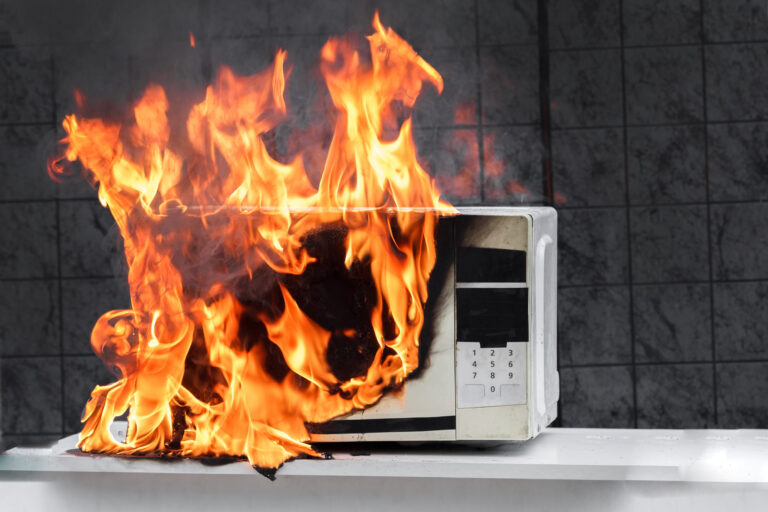
From brake lines failing, space heaters catching on fire, or a trusted power tool shattering, these are all examples of everyday products that can suddenly turn dangerous. Most people never expect an everyday product to cause life-changing injuries, yet defective products send thousands of consumers to emergency rooms every year. A.R.S. § 12-681: Arizona strict product liability law gives injured consumers the right to hold manufacturers and sellers accountable, often without proving that anyone acted negligently. The Glendale dangerous products lawyers at Lerner and Rowe help people harmed by defective products understand their rights and pursue the compensation they deserve.
This blog explores the requirements of A.R.S. § 12-681, the three defect theories available, the shift in the burden of proof from negligence, and the parties in the distribution chain who may be liable for product-related harm.
What Is A.R.S. § 12-681: Arizona Strict Product Liability Law?
A.R.S. § 12-681 sets the foundation for every defective product injury claim in Arizona. The statute defines “manufacturer,” “seller,” “product,” and “state-of-the-art,” all of which are terms used in these claims.
A product liability action is any claim against a manufacturer or seller for injury, death, or property damage caused by:
- Product design, including pre-construction decisions
- Manufacturing errors
- Testing methods or meaningful testing
- Packaging and labeling, including disclosure
- Product sales method
- Unexpected risk the company should have disclosed
- Failure to warn, meaning the product was sold or manufactured without safety warnings
The law reaches far beyond products that were simply manufactured incorrectly. A product may be dangerous because its design creates an unreasonable risk. In other situations, the product itself functions as intended, but consumers were never warned about known hazards or given adequate instructions to use it safely.
Arizona follows the doctrine of strict product liability. Unlike a negligence claim, strict liability generally does not require an injured person to prove that a manufacturer or seller acted carelessly. Instead, the primary questions become whether the product contained a defect, whether that defect existed when the product left the defendant’s control, and whether the defect caused the injury.
The Three Theories of Defect in Arizona Strict Product Liability
A defective product injury claim in Arizona generally rests on one of three theories of defect. A product liability lawyer in Glendale, Arizona, can review the facts and identify which theory, or combination, fits your situation best.
Design defect
A design defect occurs when a product is built exactly as intended, but the design itself is dangerous. Every unit manufactured carries the same flaw.
An example would be a ladder with an unstable locking mechanism or a vehicle with a fuel tank that can rupture in a minor collision. Nothing necessarily went wrong during manufacturing. The problem is that the design itself presents an unnecessary risk.
Arizona courts generally evaluate design defect claims using one or both of two legal standards.
The first is the risk-benefit test, which weighs the usefulness of the design against the risks it creates while considering whether a safer alternative design was reasonably available.
The second is the consumer expectation test. This approach asks whether the product performed as safely as an ordinary consumer would reasonably expect when used in a normal or foreseeable manner.
Depending on the circumstances, an injured person may rely on either test or present evidence supporting both.
Manufacturing defect
A manufacturing defect happens when the design is sound, but something goes wrong during production so that a specific unit does not match the intended design. An example would be a batch of tires with a flawed bond in the tread. These cases are often proven by comparing what the failed product looks and performs like to what a correctly made one should look and perform like.
Warning or informational defect
The third theory involves a failure to warn. A product may be safe when used correctly but still become dangerous if the company does not warn about foreseeable risks or provide adequate instructions. Examples might include a cleaning product without a warning about toxic fumes.
Arizona also recognizes a “heeding presumption,” which allows a jury to presume that an injured person would have followed an adequate warning if the company had provided one.
Arizona Strict Product Liability Law and Burden of Proof
This is where strict liability is especially important for an injured consumer. In a typical negligence case, the injured party must show that the defendant had a duty of care, breached that duty, and caused the injury. Proving those elements often requires evidence about what a company knew, what decisions it made, and whether it acted reasonably under the circumstances.
Strict liability shifts the focus away from the company’s conduct and onto the product itself.
To succeed in most Arizona strict product liability cases, you generally must establish that:
- The product was defective and unreasonably dangerous
- The defect existed when the product left the defendant’s possession or control
- The defect directly caused your injuries
You need not prove the manufacturer was negligent, took shortcuts, or knew the danger. The company is liable for selling an unsafe product because the law assumes it knew about the defect. Arizona strict product liability law is important for people injured by defective goods because it shifts from scrutinizing conduct to scrutinizing the product.
In these cases, companies can still raise defenses such as:
- Substantial alteration: the product was changed or modified after it left their control
- Unforeseeable misuse: the product was used in a way no reasonable company could have anticipated
- The product is state-of-the-art: the design reflected the best available knowledge at the time it was made
A skilled attorney anticipates these arguments and builds the case to proactively address them.
The Chain of Distribution Under Arizona Product Liability Law
One of the most valuable features of A.R.S. § 12-681 is that responsibility extends along the entire chain of distribution. A product passes through several hands before it reaches you, and Arizona law lets you look at each link:
- Manufacturer who designed, built, or assembled product or component
- The distributor or wholesaler who moved the product through the supply chain
- Retailer who sold the product
Along with the manufacturer, you can also hold the retailer and distributor accountable. This issue matters when the manufacturer is out of state, out of business, or hard to reach, because a seller closer to home can still be held accountable. Identifying every liable party is often essential for receiving full compensation.
Common Defective Product Injury Claims in the Glendale Area
Defective products show up in everyday life. Common examples include:
Defective auto parts
Faulty brakes, airbags, tires, and steering can turn a routine drive into a catastrophe. A defect that causes a crash can support a claim alongside a car accident or motorcycle accident, and a fatal one can lead to a wrongful death claim.
Defective household appliances
Space heaters, pressure cookers, power tools, and electronics can cause fires, burns, property damage, and other injuries.
Other common claims involve:
- Defective medical devices
- Unsafe children’s products
- Faulty industrial equipment
- Contaminated or mislabeled goods
A product recall can be powerful evidence for your claim. When the U.S. Consumer Product Safety Commission (CPSC) recalls a product, that recall helps prove it was unreasonably dangerous, so if one hurt you and you suspect it failed, talk to an attorney.
How to Prove an Arizona Strict Product Liability Claim
Preserving evidence and linking the defect to your injury can help you prove a product liability claim in Arizona. Every case is different, but these steps usually strengthen a claim:
- Do not discard, repair, or return the product. The item itself is often your most important evidence
- Keep receipts, packaging, manuals, warranties and product warning labels
- Keep medical records, take pictures of the product, your injuries, and the damage
- A recall can support your case, though your claim does not depend on one. The CPSC tracks consumer product recalls, while the National Highway Traffic Safety Administration (NHTSA) handles car and car part recalls.
- Arizona has filing deadlines, so act quickly to protect your rights.
Building a persuasive case often involves engineering analysis, testing, and detailed knowledge of Arizona’s statutes and case law. Because manufacturers and their insurers mount an aggressive defense, it is important to speak with an attorney who can gather the right evidence and identify every responsible party before deadlines pass. You may be entitled to compensation for medical bills, lost wages, pain and suffering and more, and an attorney can help you understand your options.
A.R.S. § 12-681: Arizona Strict Product Liability Law FAQs
What is A.R.S. § 12-681 in Arizona?
A.R.S. § 12-681 is the definitions section of Arizona’s product liability statutes. It defines terms like “manufacturer,” “seller,” and “product” and what qualifies as a claim for injury from a defective product. With its related sections, it forms the framework for strict product liability in Arizona.
Do I have to prove negligence in an Arizona product liability claim?
Not under strict liability. You need to show the product was defective and unreasonably dangerous when it left the defendant’s control and that the defect caused your injury. Unlike a negligence claim, you do not have to prove the company was careless or knew about the danger.
Who can I sue for a defective product in Arizona?
Arizona’s chain of distribution rules may let you pursue the manufacturer, the distributor, and the retailer. Because fault does not have to be proven, more than one party can be held responsible. An attorney can help identify every liable party in your case.
What is the statute of limitations for a product liability claim in Arizona?
Arizona generally gives you two years from the date of injury to file, though exceptions and other time limits can apply. Because missing a deadline can bar your claim, it is important to speak with an attorney promptly.
How much does it cost to hire a product liability lawyer in Glendale, Arizona?
We work on a contingency fee basis, so you pay no attorney fees unless we win.
Contact a Glendale Product Liability Lawyer Near Me
A defective product can upend your life in seconds, but you don’t have to face the manufacturer and insurers without a Glendale personal injury attorney. Our team is available 24/7 to review your Arizona defective product injury claim and explain exactly where you stand.
To schedule a free case review with our Glendale or Phoenix office, call (602) 977-1900, reach us through LiveChat, or complete our online contact form.
We have recovered billions of dollars for injured clients nationwide, with over a billion dollars in the past three years alone. And with no fees unless we win, there is no risk in reaching out.
The information on this blog is for general information purposes only. Nothing herein should be taken as legal advice for any individual case or situation. This information is not intended to create, and receipt or viewing does not constitute, an attorney-client relationship.